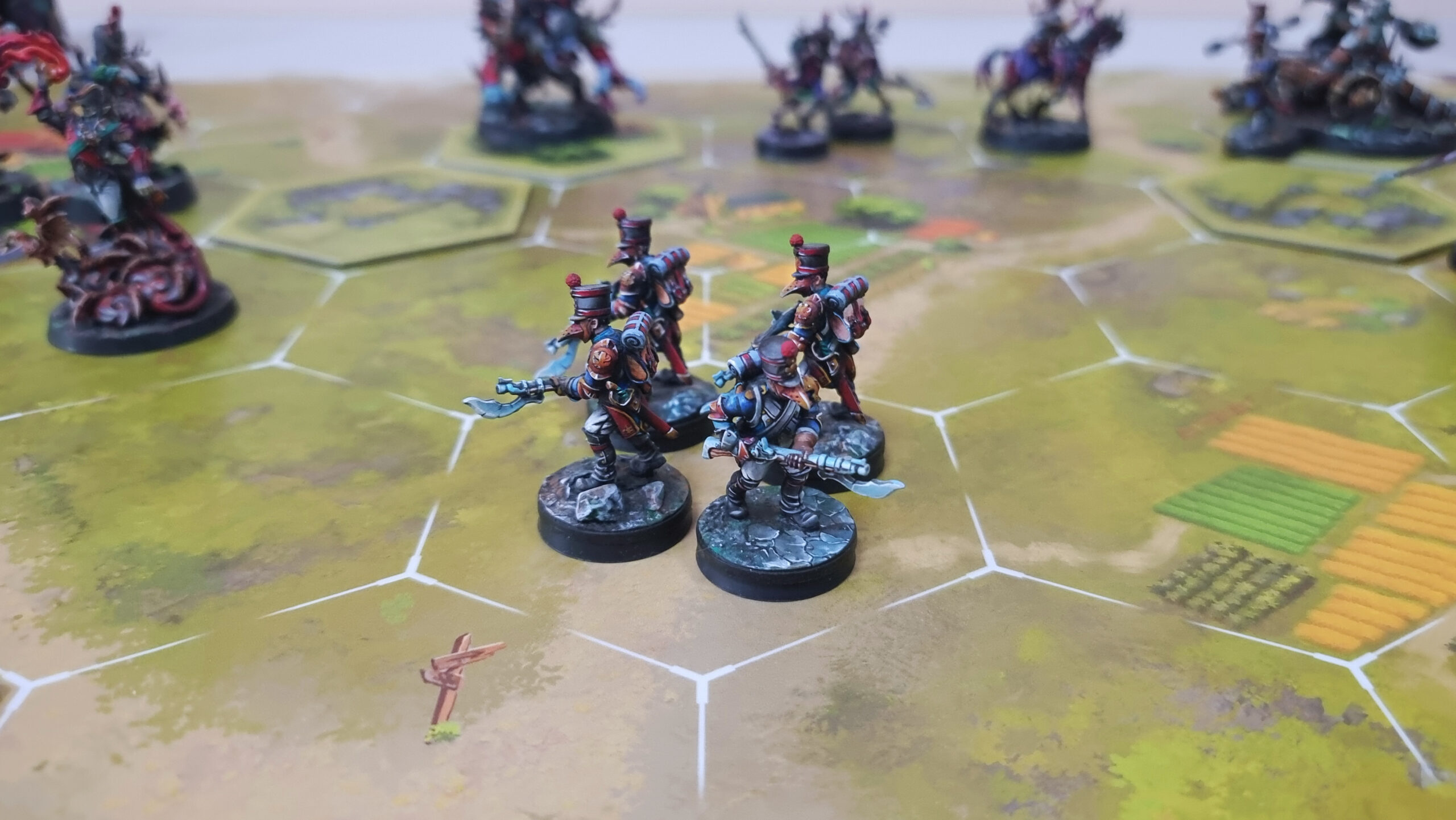




Several years before the Great French Revolution, certain events happened in Europe that changed the following history in its core. The world collided with the Abyss - a parallel dimension, where powerful forces of Chaos and the magic of Order existed.
The taint and its spawns could only be cleansed with fire and steel. At first, the combined efforts bore fruit, and some of the European regions were completely cleared of any traces of the taint, with even the rifts sealed. Mainly, thanks to the help of the mysterious countess St. Germain, who turned out to be a magician. She possessed truly phenomenal knowledge on Order magic and her help turned out to be indispensable.
The war with the Swarm was far from over. In addition, rumors began to spread in Paris that the king welcomed the witch and even acquired counselors from the fairy folk, which caused a stir among the common folk.
The taint and its spawns could only be cleansed with fire and steel. At first, the combined efforts bore fruit, and some of the European regions were completely cleared of any traces of the taint, with even the rifts sealed. Mainly, thanks to the help of the mysterious countess St. Germain, who turned out to be a magician. She possessed truly phenomenal knowledge on Order magic and her help turned out to be indispensable.
The war with the Swarm was far from over. In addition, rumors began to spread in Paris that the king welcomed the witch and even acquired counselors from the fairy folk, which caused a stir among the common folk.
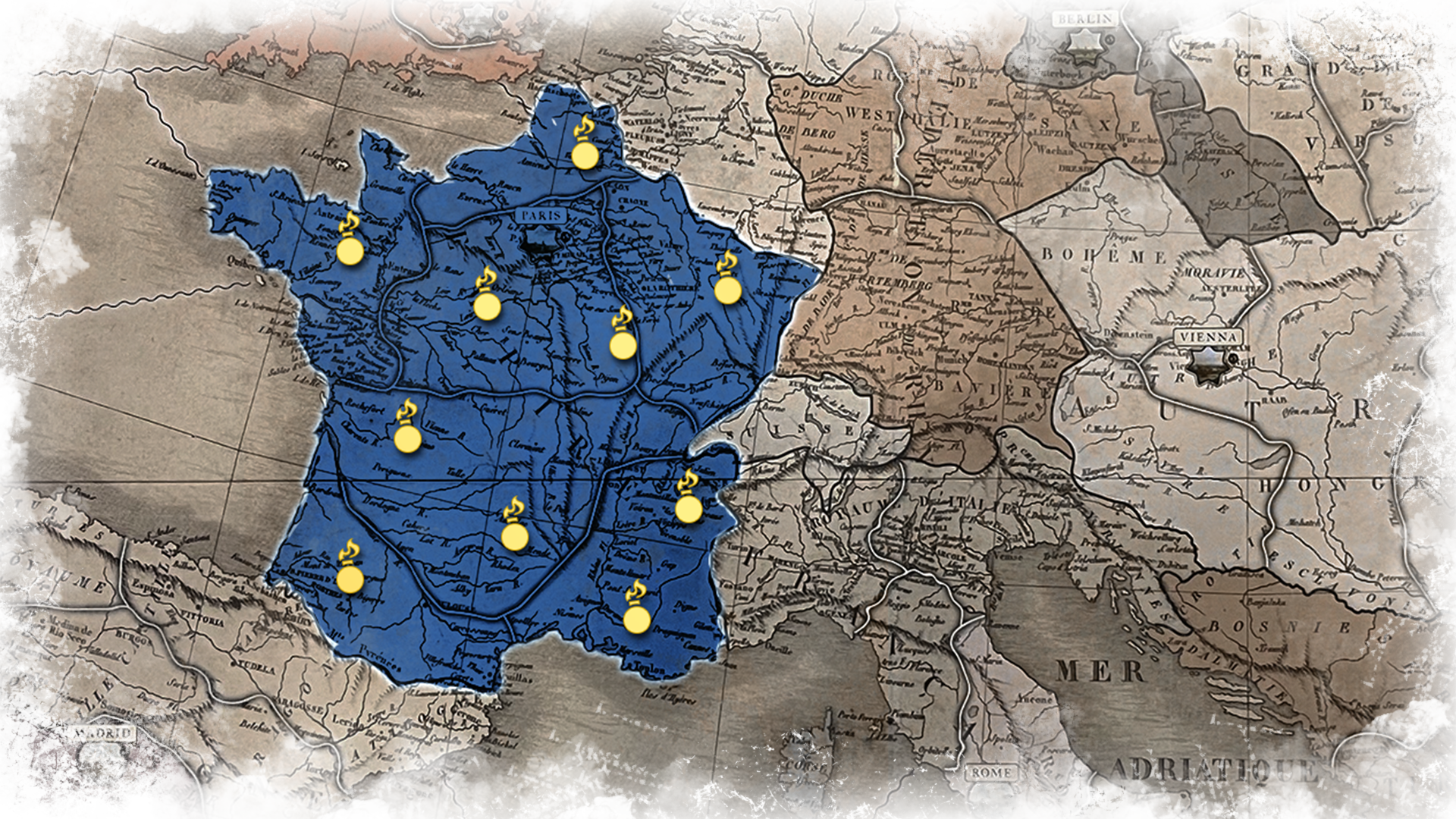
French Empire
Mesmer initially secures a dominant role within the Council of Elders under the King. He shifts all menial and unpleasant tasks onto SaintGermain, while devoting himself solely to court intrigues and financial schemes. Before long, Mesmer establishes a lucrative trade in illicit magical artifacts. He also seizes control of fae licensing, turning it into another profitable venture.
Ambitious and selfabsorbed, Mesmer craves recognition and fame. Obsessed with immediate gains, his reckless maneuvers nearly spark open conflict between humans and fae.
When revolutionary upheavals erupt and authority falls into the hands of Robespierre—a zealot and formidable magician—Mesmer abandons his post and flees.
1764–1766. Dark Forces Unveiled
In France, and later across other European countries, a cult known as Fratres Tenebrarum (in French, La Fraternité Obscur) emerges. Founded by Count Cagliostro, it is devoted to the worship of Chaos. The cult’s mission is to prepare the earth for the invasion of Chaos’s main forces from the dimension of the Abyss.
To open the Gates leading to Chaos, they sacrifice human lives. For this purpose, the Swarm is unleashed upon the earth — an entity from another world that enslaves the will of intelligent creatures, feeding on their fear and blood.
Standing against them is Countess Saint-Germain and her Brotherhood of Nephilim, composed of beings from the fae folk who first entered our world: Violet the fairy, Onyx the wolfen, and Axe the dwarf. Together they fight on the side of Order, determined to resist the spread of Chaos.
They track Cagliostro’s movements and begin investigating the cult’s activities. Yet panic grips the peasants of the province where the Nephilim arrive: they mistake Onyx the wolfen for the legendary Beast of Gévaudan. Meanwhile, the real murders intensify, carried out by Cagliostro and his cultists, who exploit fear to discredit Saint-Germain and her companions.
A hunt for the “monster” begins, drawing in aristocrats and even the military. Wolfen, targeted as the beast, narrowly escapes death. The tale of the Beast of Gévaudan becomes a fashionable obsession, with the number of killings attributed to it growing with each retelling. The cultists seize the opportunity, continuing their sacrifices under the cover of this terrifying legend.
Saint-Germain and her allies gain support from François-Antoine de Beauterne, dispatched by the king under the guise of slaying the Beast. Several cultist hideouts are uncovered and destroyed. To calm the populace, the corpse of a large wolf is displayed as proof of the beast’s demise, and the panic gradually subsides.
Plague in the Loire Valley and the First Epidemic of Corruption
A strange pestilence spreads across the Loire Valley: fields blacken, vineyards wither, and the infected undergo horrific mutations, losing their minds and transforming into monsters. This marks the first recorded mass manifestation of Chaos on French soil.
Countess Saint-Germain aids General Lafayette in purging the Corruption and destroying the infected monsters. The king, informed by Lafayette of the Countess’s invaluable assistance, learns the full truth of what transpired.
At court, both the general and the sorceress are hailed as heroes. King Louis XVI decrees the creation of the Royal Council of Wise Men on Magical Affairs, intended to be led by Saint-Germain. Yet at the last moment, Franz Mesmer is appointed chairman.
An aging scholar of “animal magnetism,” Mesmer wields deep connections among the aristocracy and the royal court. He persuades the king that a venerable, respectable man would endure criticism more easily than a young woman. He argued that people would heed him more readily than SaintGermain, who at court was openly branded a “witch.”
The council assembles “magicians” - sorcerers, alchemists, and mystics to serve the crown and France. But true masters of the arcane are few within the empire, and those who exist often resist Saint-Germain’s authority.
Meanwhile, the influence of Mesmer’s followers graws rapidly. Once considered as fringe thinkers, they now attracted increasing support.
For the educated and devout Catholics, Mesmer’s doctrine of animal magnetism proves easier to accept than magic, which they have long been taught to fear as the work of dark forces. Mesmer insists that magic is merely a byproduct of animal magnetism, promoting his theory as safer and more rational.
Though formally subordinate to the Council of Magical Affairs, the Mesmerists openly oppose Saint-Germain, condemning her practice of magic and her alliances with non-humans.
The quarantine imposed on the Loire Valley, with its moratorium and heavy taxes, deepens France’s financial crisis. Yet the authorities stubbornly refuse to reform the tax system, sowing further unrest.
June 11, 1768. The Breakthrough in Lyon
In the catacombs beneath Lyon, the second largest Rift after Paris tore open. From its depths surged demonic creatures, threatening to engulf the city in ruin. Only the combined might of the Council’s magicians and the regular army prevented catastrophe. This event entered history as the Great Breakthrough of Corruption.
Meanwhile, in Paris, agents of Chaos worked tirelessly to erode the people’s trust in their rulers. At their head stood Countess Jeanne de La Motte — adventuress, cultist, and devoted student of Cagliostro — weaving intrigue and deception at the very heart of the kingdom.
July 15, 1768
For the first time, contact with fae was officially proclaimed. Before the glittering halls of Versailles, the fae appeared as honored guests of the king. They spoke of their homeland, a world nearly consumed by Chaos, and pledged their aid to humanity in the struggle against Corruption.
Yet their presence ignited a storm of controversy and led to an unprecedented political crisis. Some nobles demanded the expulsion of these “demons,” fearing their otherworldly nature. Others urged that fae be embraced as allies, recognizing the value of their knowledge and power.
August 1, 1768. The Oath at the Tuileries
At the Tuileries Palace, King Louis XVI, defying pressure from his court, accepted the oath of allegiance from the first representatives of the wolf people — les loupshommes libres, or wolfen. New military units were created: regiments of wolf grenadiers. Preparations began for the swearingin of other fae. The army even debated the formation of centaur hunter regiments.
This provoked a wave of panic across France. Townsfolk and peasants demanded the expulsion of fae, while priests thundered from their pulpits that their arrival heralded the end of days. The public appearance of wolfen caused a fresh surge of “Gévaudan hysteria.”
The memory of the Beast of Gévaudan still haunted the people, and pamphlets and sermons compared the wolfen to werewolves, warning that they would betray and slaughter those who trusted them, just as wolves prey upon sheep. Only the steadfast resolve of Countess SaintGermain, backed by the king himself, prevented mass reprisals against the newcomers.
September 13, 1768. Laws on NonHumans
To quell the unrest, fae were forced into segregated districts — ghettos — and restrictions were imposed on their movements and livelihoods. Yet their legal status posed a profound dilemma: fae could not be neatly fitted into the rigid class system of France.
They refused to accept the burdens of the Third Estate, and some demanded recognition of their aristocratic standing. But the French nobility balked at acknowledging nonhuman nobles who owned no land, labored for sustenance, and did not worship God.
Scientists, poets, and philosophers began to question the very essence of aristocracy: what truly defines a noble, and are aristocrats truly so different from commoners.
1768–1785. The Age of Magical Reforms
Europe is divided over the issue of magic and faeries. Through diplomacy, France strengthens ties with its allies, yet Chaos continues to spread across the continent. Reports emerge of those infected with the Corruption in the New World. After several skirmishes with the infected in Canada, French forces withdraw from Quebec, formally ceding it to the British Empire.
Following the initial waves of panic, European rulers begin to accept the Corruption as an everyday, inevitable evil, much as they once did with the plague.
Magic starts to shape the economy. The fae, long accustomed to using magic in their daily lives, succeed in creating artifacts and potions for everyday use. At first, people acquire these artifacts as dangerous curiosities, but soon they become valued as practical tools.
Initially, French authorities rush to impose heavy taxes on the trade in magical artifacts and potions, as early buyers are willing to pay enormous sums. Over time, however, some artifacts prove hazardous to users, while others are exploited for criminal purposes. In addition, many counterfeit or poorly functioning artifacts flood the market.
The requirement for fae to live and trade only within designated neighborhoods — essentially ghettos — increasingly fuels their discontent.
While Saint-Germain remained focused on combating the spread of Corruption and confronting cultists, many members of the Council of Magic Affairs, led by Mesmer, seized opportunities to profit from their positions. They persuaded the king that the Council should regulate all matters related to magic — this new source of unprecedented energy and extraordinary possibilities — within the Empire.
All magicians, both human and fae, were required to register. From then on, any magical activity demanded special permission from the Council and its local representatives, and anyone caught practicing magic illegally was outlawed and severely punished. Naturally, special taxes were imposed on the use of magic, divination, and the creation of potions and artifacts.
Yet magic proved difficult to bind by law. Harsh measures only fueled the rise of an underground black market, where everything related to magic was bought and sold like any other commodity. The illicit trade in magical services also expanded rapidly.
After several joint campaigns against those infected with the Corruption, fae regiments were integrated into the army. Respect among ordinary soldiers grew, despite lingering superstitions. However, no fae were admitted to the officer ranks, and the human officers placed in command of fae regiments were not respected in society.
The Mesmerists within the Council of Magic Affairs press for ever stricter measures against the fae, both to secure the favor of the nobility and out of fear of the ease with which fae command magic.
During her rare visits to the capital, SaintGermain strives to defend the rights of the fae before the king. She arranges audiences between the monarch and influential courtiers with her trusted companions — the dwarf and the wolfen Onyx. For many aristocrats, it is the first time they have spoken with nonhumans as equals. SaintGermain underscores the benefits they can bring to France and their vital role in the struggle against the Swarm.
The devastation wrought by the Corruption, combined with the aristocracy’s determination to preserve its accustomed way of life and wealth in a changing world, leaves the provinces — especially villages and small towns — impoverished. The people of France grow embittered, blaming the authorities for every misfortune and accusing them of collusion with magicians and fae “monsters.”
Meanwhile, in the catacombs beneath Paris, the largest black market for artifacts takes shape, controlled by several “Shadow Princes” of the fae Underground dealers in artifacts and illicit sorcerers forge close ties with France’s criminal underworld and, through smugglers, with networks abroad. Crimes involving magic and fae — or those connected to them — multiply. So too do cases in which human and fae lovers, forbidden to marry, choose to live together in defiance of law and public opinion.
Many accuse the fae of spreading the Corruption and of countless crimes.
In Paris, rumors against Saint-Germain grow ever more numerous. She is accused of secret dealings with the very cultists she battles. “She appeared too conveniently in time! She orchestrated all this herself, to pose as a savior and secure her place at court!” whisper voices in the halls and on the streets. The fact that the sorceress, no longer young, continues to preserve the appearance of a youthful maiden only fuels suspicion — the “unnaturalness” of her visage turns many who were once neutral against the countess. On the other hand, the hope of attaining “eternal youth” still keeps some aristocrats loyal to Saint-Germain.
The Necklace Affair and the Alchemists' Conspiracy
In the autumn of 1785, rumors swept across France that the queen had purchased an extravagant diamond necklace, bankrupting the treasury. Yet an investigation led by SaintGermain revealed that the conspiracy ran far deeper.
The true culprits were cultists of Fratres Tenebrarum, known as “the men in black” — secret devotees of Chaos. They had created a homunculus in the likeness of the queen, using it to discredit the Bourbon dynasty and steal the priceless necklace. In the pursuit of this false queen, the Petit Trianon was completely consumed by fire.
It soon became clear that the diamonds in the necklace, owing to their exceptional purity and cut, had absorbed an immense reserve of magical energy. This energy was the true objective of the Dark Brotherhood, for the cultists needed only to shatter the stones to open a vast Rift in the very heart of France.
The conspiracy was exposed. The “false queen” — the homunculus — was destroyed, and the real Marie Antoinette was vindicated. SaintGermain succeeded in regaining part of her lost influence at court.
Many young aristocrats were captivated by her—by her eternal youth, power, freedom, and magic—and eagerly sought her favor. Among them was the young wife of the Vicomte de Beauharnais, known to her friends as Josephine, who became a pupil of SaintGermain. Later, like several of her other pupils, she divorced her husband, who disapproved of her involvement in magic and her communion with fae.
At Saint-Germain’s request, the jewelers who made the necklace joined the government and began creating artifacts—stones that could hold or reflect Rift energy.
1786 Thanks to France’s diplomacy, some European countries became more tolerant of fae. But in most of the world, fae were still seen as monsters, almost the same as the Swarm. Even when the Swarm destroyed their lands, many kings and emperors refused to change their views.
Marie Antoinette, without the comfort of her Petit Trianon, was now to face the dangers of the court, the anger of the people, and the threat of Chaos. Her detachment from reality became a symbol of the old aristocracy hiding from the coming storm.
Thanks to Saint Germain, who sought to improve relations between humans and fae, free magical clinics were opened in Paris, Reims, and Toulon.
The discovery of magic began to exert a growing influence on the development of science and technology, extending far beyond the mere trade of artefacts. Many fae were unable to enlist in the army or navy, as the two regiments reserved for them were already full, with no new positions available. Peasants were forbidden from using blessings in the fields to secure good harvests or ward off insects. The use of magic for healing was also heavily restricted.
By June 1, 1878, eighteen trading houses and manufactories had been registered, co-owned by front men representing the fae, who remained barred from engaging in commercial activities outside their own districts. Fae were still prohibited from hiring workers.
These prohibitions increasingly fueled crime and obstructed the introduction of new innovations. Aristocrats living near infected areas often broke the law by purchasing charms for their fields, pastures, and homes without going through official channels, seeking to avoid long queues and exorbitant taxes. In some villages, communities pooled resources to secretly hire magicians to protect their lands from evil.
1 January 1787
Emperor Joseph II of Austria introduced a series of laws intended to centralize authority in Belgium and curb the “spread of magic and other heresies.” The measures sparked a Belgian revolt, leading to the creation of a Franco-Belgian defensive alliance against the Swarm.
20 January 1789
The Austrian Habsburgs—Marie Antoinette’s family—together with the Holy See, called for the expulsion of magicians and “ungodly creatures” from France. Yet, despite their ambivalence toward the fae, the French—ranging from nobles to shopkeepers—resented the notion of foreigners presuming to lecture their king.
February 1789
Throughout France, demonstrations of solidarity with the fae multiplied: joint fairs, invitations to Sunday services, and grand balls. These initiatives were most often led by junior officers and retired soldiers, who stood shoulder to shoulder with the fae in resisting the advance of Corruption.
5 May 1789. Proclamation of Equality
The king convened the Estates General, where, under pressure from those assembled, he declared: ``Before God and the law, all are equal—man and non-man, native of France or the colonies—for darkness makes no distinction. And Magic has been granted to the people of France by the Lord Himself, as part of their need to defend against Evil.``
This proclamation laid the foundation for sweeping reforms. For the first time, peasants and commoners were granted access to magical protection, while werewolves, centaurs, and other fae gained the right to serve in the army on equal terms with humans. The people embraced these measures with enthusiasm: even if it was only the illusion of freedom, it was an illusion they longed to believe in.
May–June 1789
Agents of the Swarm spread rumours in the poorest villages of imminent famine and a looming large-scale assault. The provocateurs named Paris as the sole refuge, driving waves of desperate refugees to flood into the capital.
13 June 1789
The Catholic Church denounced any alliance with “inhuman races.” Papal legates accused Saint-Germain of heresy and witchcraft, while a reactionary faction of aristocrats declared that the king was under the sway of a court sorceress.
Saint-Germain and several close associates miraculously escaped. That night, Josephine revealed her magical gift for the first time, aiding Saint-Germain in her flight from the cultists. Yet through a moment of carelessness, she herself came into contact with the Swarm and became infected with its “echo.”
Discontent spread among the people, who grew increasingly dissatisfied with the king and his policies. The fae, too, resented the mounting oppressions imposed by the authorities. Cagliostro, aided by his agents among the townsfolk, played a key role in stoking this unrest.
25 June 1789
Unrest in Paris erupted into open revolt. Among the leaders of the masses was the lawyer Robespierre, whose rise quickly drew Cagliostro’s attention.
28 June 1789
The army was ordered to block refugees fleeing lands devastated by the Swarm from entering Paris. Outraged by this command, part of the provincial garrisons defected, siding with the rebels.
10 July 1789
In Paris, leaders of the uprising—revolutionary journalists, poets, and heads of Mesmerist circles—were arrested.
A second wave of arrests was planned for the night of 12 July, targeting officers and army veterans. Yet that same night, troops who had defected to the rebels, along with “inhuman” regiments, advanced toward Paris. Determined to overthrow the despised aristocratic regime and establish a new order, Robespierre struck a bargain with the Swarm. Convinced that his will was strong enough to resist the lure of dark forces, he believed he could wield the Swarm’s power solely to protect himself and his comrades. He was wrong.
14 July 1789
The rebels stormed the Bastille, freeing its prisoners.
January 1790. The Swarm Advances
The Swarm broke through the Rhine Valley, devastating the lands as far as Cologne. The Holy Roman Empire, having outlawed magic, found itself utterly defenceless.
9 January 1791. Battle of the Rhine
For the first time, the French army confronted the Swarm’s legions in full-scale warfare.
Terror and the Light Rebellion
Robespierre rose to power in France, and his devotion to revolutionary ideals soon hardened into fanaticism. The guillotines never ceased their work. Robespierre begins to listen to the Swarm's whispers. He believes he can negotiate peaceful coexistence with the Swarm. The Swarm's agents convince him that their goal is to overthrow the old world order, not to destroy humanity. The Corruption flares up in Champagne. Waves of the dead attack villages on the banks of the Marne. Yet all of this pales beside the horrors of the Great Terror. Even among the revolution’s supporters, many recoiled in dread at what is unfolding. Accusations mount against Robespierre: that he is infected with the Corruption, that his ideals are distorted, that he now serves dark forces.
The claim that “our leader was infected with the Corruption” proves convenient for a circle of conspirators. They seek to end the terror without restoring the old order.
The Council of Magic is reshaped into a new body — the Council of the Wise. Alongside magicians, it gatheres revolutionaries, poets, lawyers, doctors, officers, alchemists, fae, and even a handful of aristocrats.
The Years of the Great War
France stood on the brink of ruin. In the southern ports of Marseille, sailors began to die as ships arriving from England carried traces of infection. Saint-Germain and her students secretly journeyed to the region to confront the Swarm.
1 February 1793. Contamination of the English Fleet
The destruction of the infected ships ignited war with Britain. Robespierre, increasingly consumed by his radical vision, began to believe that the Swarm represented the purest form of equality. Yet he understood it was not yet time to speak of this openly.
29 August – 19 December 1793. The Siege of Toulon
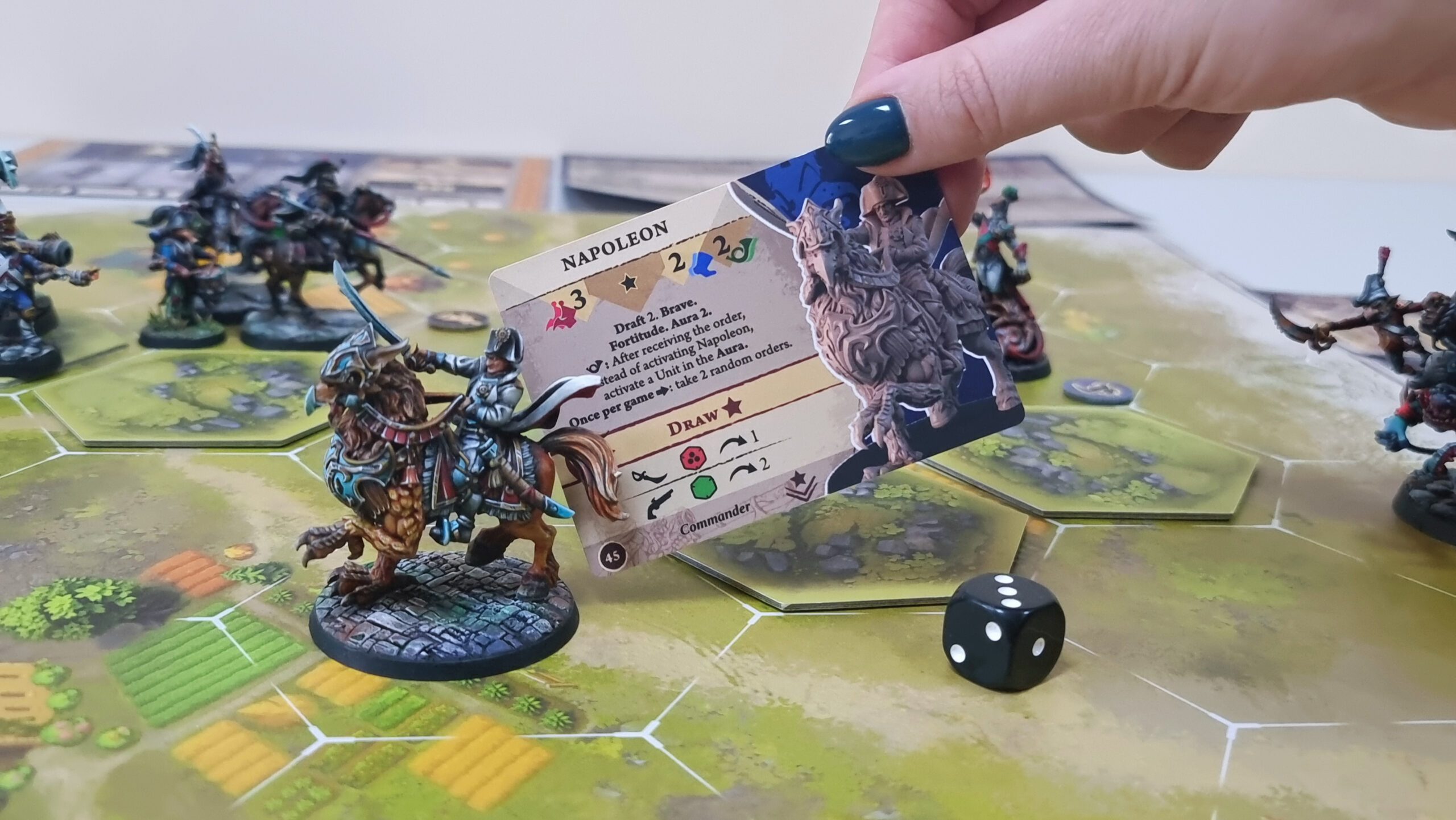
The city fell to the cultists of the Dark Brotherhood. Amid the chaos, a young artillery officer, Napoleon Bonaparte, proposed a daring plan that secured victory and catapulted him to fame. His determination and composure distinguished him, and in his gaze Saint-Germain discerned the spark of destiny.
They met among the smoking docks, where the sorceress was struck by the officer’s audacity and courage. Together, they set fire to the infected ships. Afterwards, Napoleon suggested enlisting fae craftsmen to forge enchanted cannons.
Saint-Germain recognized in him a man capable of uniting military genius with a new magical order. In time, Napoleon encountered her student Josephine—and fell hopelessly in love.
December 1793. War with Spain
La Fraternité Obscure orchestrated an explosion in Pamplona, placing the blame on French revolutionaries. In response, Charles IV declared France the source of all misfortune. Already consumed by Corruption, Robespierre proclaimed Spain “the enemy of the revolution and the future.” The war that followed provided the perfect cover for the Swarm’s advance into Europe.
End of the Terror
Saint-Germain returned to Paris to confront the revolutionaries. A brief inquiry revealed that Robespierre was indeed possessed by Corruption, and that many of his laws had deliberately weakened the army and undermined France’s ability to resist the Swarm and the Legions of the Abyss. Several members of the Committee of Public Safety were also found to be infected.
On 27 July 1794, in a night remembered as the Silver Night, a storm of magic descended upon Paris. The Council of the Wise struck against Robespierre and his circle. Silver flames engulfed the city’s centre, consuming members of the Committee of Public Safety as well as part of the Council itself.
From the ashes, the surviving members of the Council, together with Saint-Germain, established a new government. Among those elevated was Napoleon, one of the officers who received promotion in the aftermath.
The Anti-Mage Rebellion and the Rise of Napoleon
Incited by agents of Chaos, British spies, and aristocrats, crowds of townspeople—worn down by magic and fear—rose in rebellion against the government, which had become dominated by figures tied to the royal court and former supporters of the Committee of Public Safety.
Encouraged by Josephine, Napoleon chose to act decisively. His troops, bolstered by magic and arcane cannons, swept through Paris and crushed the uprising. In the aftermath, the people hailed him as a hero, while the Council of the Wise proclaimed him the saviour of the republic.
Saint-Germain observed Josephine’s growing influence over Napoleon but failed to perceive the hand of the Swarm behind it. She attributed everything to the young sorceress’s ambition. Yet Josephine’s relentless hunt for agents of Chaos had proven highly effective, and her devotion to the cause seemed beyond question.
1796–1798. The Great Campaign
Driven by ambition and love, and sustained by Josephine’s letters, Napoleon departed for Italy. Josephine remained in Paris, weaving a web of alliances and eliminating rivals within the Council.
Later, in Egypt, Napoleon explored the ruins of ancient temples in search of artefacts left behind by the fae of ages past. There he experienced a vision: a sphinx promising eternal glory if he destroyed the old world and forged a new one.
Taking this vision to heart, Napoleon began to rally supporters. He also commissioned the creation of a museum in Cairo, ostensibly to study relics from the ancient war against the Swarm.
The Fall of the Council of the Wise
Paris was once again shaken by rumours and intrigue. Saint-Germain struggled to hold the Council together, but Josephine and Napoleon plotted a coup. Wishing to avoid another civil war, Saint-Germain departed the city.
By morning, Paris awoke to a new government—the Consulate. Behind Josephine’s back, whispers spread: “She is not merely the wife of General Bonaparte. She is a witch, the queen of shadows, more powerful even than Saint-Germain herself.”
1802–1804. The Empire of Light
Josephine, now the supreme sorceress of France, established the Order of Steel and Magic, uniting fae, magicians, and the military. She persuaded Napoleon that France required not a republic but a new, powerful empire—one capable of purging the world of the Swarm and magical chaos.
In 1804, Napoleon crowned himself emperor, with Josephine ascending as his empress.
Separation and Prophecy
In secret, Saint-Germain met with Napoleon. She warned him that the Swarm was stirring once more, preparing to strike France and Britain simultaneously.
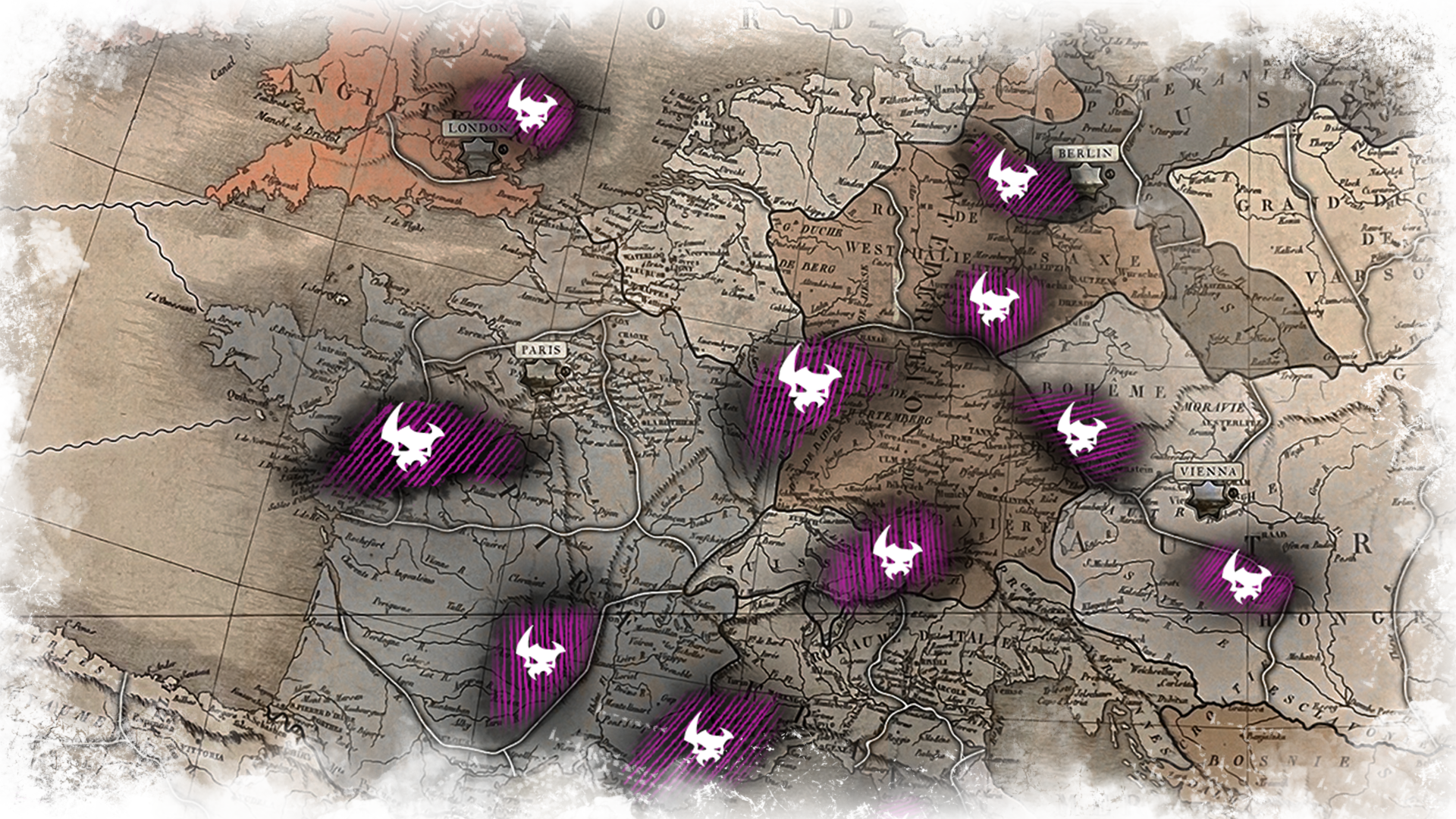
Swarm of Abyss
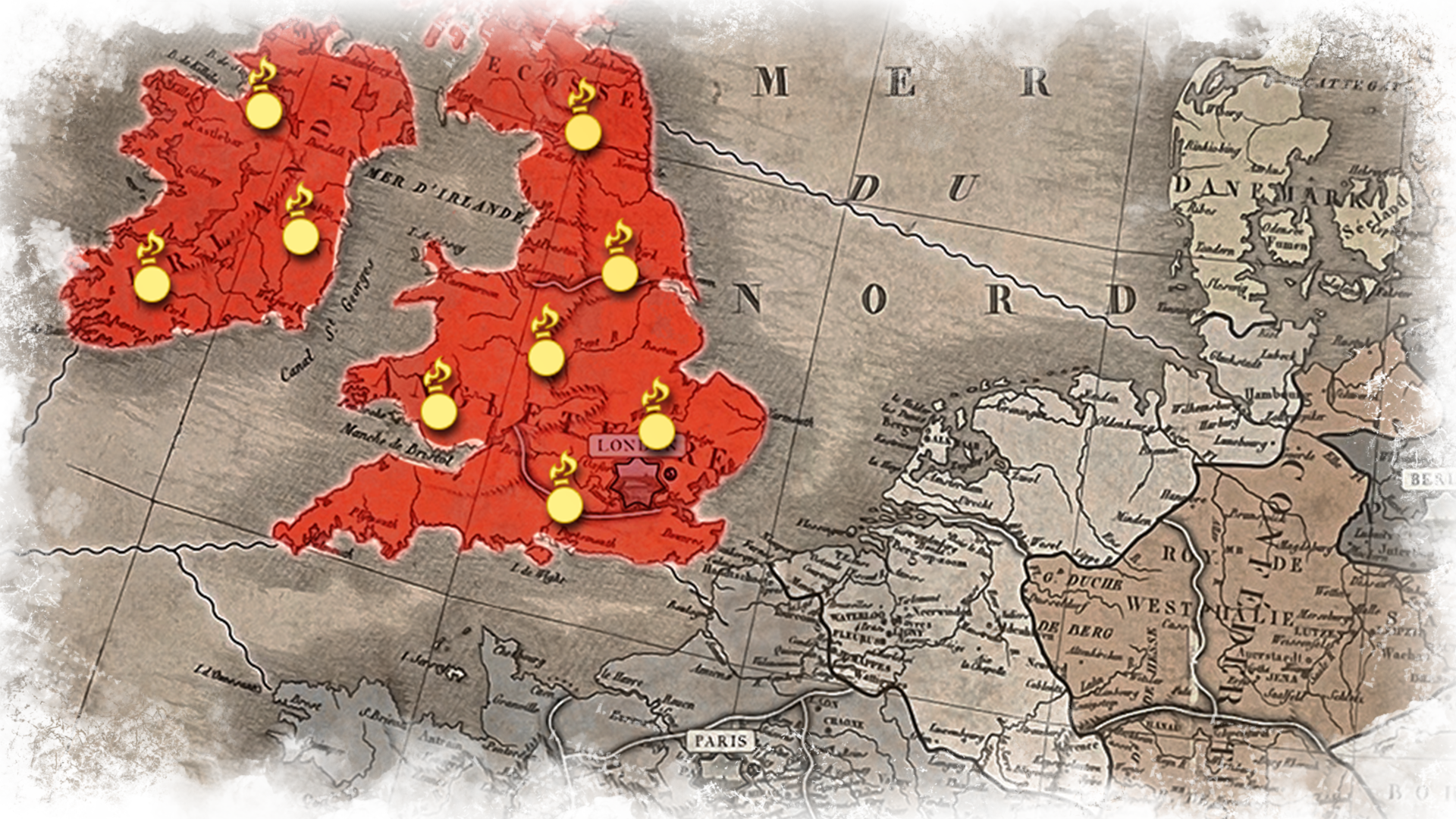
By the close of the eighteenth century, the British Empire stood at a precarious crossroads between prosperity and ruin. Its vast dominions were ravaged by a terrifying plague, and whispers of magic had begun to take tangible form.
King George III became a prisoner of his own mind, haunted by voices of ancient forces stirring deep within Albion. Some court physicians diagnosed the onset of madness, while others murmured of a curse. Yet none could say with certainty what truly afflicted the king.
England itself teetered on the edge of a technological revolution, already stepping into the age of steam and steel. The sudden emergence of magic was therefore met with ambivalence.
The empire struggled to maintain equilibrium. Science, faith, and magic each vied to claim the nation’s future. Holy orders, clandestine societies, and fae who had crossed from beyond the borders of the world all fought for the destiny of the British Isles.
George III Ascends the Throne
With the accession of the young monarch George III—gifted with an innate sensitivity to magic—England entered a new and troubled era. The first portals to other worlds opened in the mountains of Scotland and the marshes of Ireland. The fae, ancient dwellers of other realms, remained hidden for the time being, while the king’s dreams and visions were dismissed by courtiers as signs of madness.
In the shadows of London and Edinburgh, the first secret societies emerged, seeking to harness the powers of the Swarm—the tainted magic leaking from the rifts.
Meanwhile, the British Empire continued its long and exhausting war with France over colonial possessions.
The Treaty of Paris
Alarming news arrived from Quebec: a strange plague was sweeping through the newly conquered lands. Witnesses spoke of demon-like creatures and entire villages vanishing overnight. Doctors described a new disease, while priests warned of divine punishment.
The Admiralty and the War Office studied reports of the infected and compared them with rumours of unusual beings and glowing portals appearing across the empire.
The first specimens of infected creatures were delivered to Portsmouth, where doctors and naturalists began their experiments. From these efforts, the first division of the Bureau for the Investigation of Anomalous Phenomena was born. What began as scientific curiosity soon spiraled into obsession.
Exhausted by its struggle against the infection, France ceded Quebec to Britain in exchange for the Caribbean islands. The growing awareness of the threat posed by the Swarm compelled both powers to seek peace. Each recognized the need for respite—a fragile pause in hostilities—to prepare for the greater trials that lay ahead.
1760–1783. The American Revolution
In the colonies, fear of monsters from Indian legends intertwined with mounting political unrest. Sects promising salvation from evil forces and their plague multiplied, feeding the atmosphere of chaos in which the movement for independence gathered strength.
In the spring of 1775, dozens of portals opened in the forests of New England. Five fae delegations made contact with both indigenous peoples and settlers. English loyalists accused the rebels of conspiring with demons, and discord between the metropolis and the colonies reached a boiling point. Thus began the War of Independence from the British Empire. At the same time, indigenous peoples forged alliances to resist the colonists.
Francis Barrett
Francis Barrett, a London youth captivated by rumours of magical beings, encountered fae for the first time. They taught him the rudiments of magic and warned him of the Swarm. Barrett would later become one of the first modern magicians to systematize the occult knowledge of the New Age.
Margaret Nicholson’s Assassination Attempt
Margaret Nicholson, a deranged laundress, attacked King George III at St James’s Palace. Fortunately, she only wounded him.
The king received first aid from employees of a nearby pharmacy, among them a young apprentice surgeon named Francis Barrett. Recognizing in Barrett a kindred spirit with abilities akin to his own, the king took the young surgeon's apprentice under his protection. Some courtiers believed the monarch was showing mercy to the man who had helped save his life, while others suspected he feared further assassination attempts and no longer trusted his physicians.
Examination of Nicholson’s remains revealed traces of foreign tissue resembling samples previously recovered from Quebec. The discovery shocked the nation. Barrett was soon admitted into the Bureau for the Investigation of Anomalous Phenomena, where he founded an order reminiscent of the Knights of the Round Table. He named it the Circle of Guardians, composed of scientists and priests charged with finding a solution to the problem with the Swarm.
The ‘Madness’ of George III
The king waged an exhausting battle against the influence of the Swarm. He began to hear whispers and see creatures invisible to others. Doctors declared him insane, yet the true remedy lay in purification rituals performed by a secret circle at court. Barrett became a central figure in these rites.
Revolution in France
Chaos engulfed France as magic and fae openly took part in the revolutionary upheaval. Waves of refugees carried fear across the Channel, reaching London.
1790
Hundreds of monarchists, scientists, and priests fled the revolutionary terror and sought refuge in England. Among them was Countess Jeanne de la Motte, the adventuress infamous for her role in the affair of the diamond necklace. She claimed that alchemists were orchestrating the revolution, replacing men and women with homunculi.
In Britain, anti-magic sentiment grew rapidly. The so-called Holy Orders emerged—brotherhoods of priests, soldiers, and scientists dedicated to combating manifestations of the Swarm and the fae. Their methods combined science, faith, and ancient rituals, though they denied any involvement in magic.
King George III found himself in a perilous position. He understood that magic was essential to defend the empire, yet most of his ministers demanded its prohibition. His mind was torn between three forces: his own will, the insidious whisperings of the Swarm, and a third voice urging the necessity of magic and the preservation of old customs. This voice belonged to the awakened Spirit of Albion, the ancient guardian of the British Isles—a higher entity aligned with the forces of Order. The Spirit reminded the king of the age of Arthur and Merlin, who had become legends precisely because they had once defended the land against the Abyss.
War with France
When part of the British fleet near the coast of Europe was infected by the Swarm, the destruction of the ships was mistaken for an act of French aggression. War erupted.
In his dreams, King George was visited by the Spirit of Albion, who reminded him of the ancient pact between Arthur, King of Men, and the land of the island.
That same year, troops under the command of the Duke of York were dispatched to Flanders to suppress the revolution in France. Among them was Arthur Wellesley. It was there that he first encountered the fae in battle—an experience that left him both terrified and fascinated by their magic. He was struck, too, by the effectiveness of the “old wives’ superstitions” employed by some Irish soldiers against the fae. During the campaigns in the Netherlands in 1795, Wellesley began to compile a set of rules for modern warfare, determined to share with fellow officers the hard lessons he had learned.
The Irish Rebellion
Ireland became the stage of open warfare between humans and fae. The Society of Patriots of Ireland received support from the Sidhe, the ancient spirits of the hills. The French fae supported their comrades from the islands. The French authorities were also quick to lend a hand. The French government came up with what they believed to be an excellent plan to get rid of the dangerous neighbours, whose units were mainly made up of fae. They sent some of them to support the revolutionary situation in Ireland.
The landing of the French corps was accompanied by the awakening of ancient burial mounds—the gates of the fae. With great difficulty, and aided by the Holy Orders, the British managed to seal the portals. Yet Ireland was proclaimed the first independent kingdom where fae assumed leadership. Importantly, this did not mean that humans were stripped of rights or systematically oppressed. On the contrary, the fae rulers recognized the equal rights of humans and fae alike.
The defeat proved costly for England. Many fled Ireland alongside retreating troops, and George III’s reputation suffered a severe blow. In the aftermath, persecution of magicians and non-humans within England intensified.
Simultaneously with the uprisings in Ireland, the fae revealed themselves in British India and other southern colonies. There, the local populations proved far more willing to cooperate with “non-humans” as a means of defending themselves against the forces of Chaos—especially when the fae offered aid in resisting the distant metropolis.
1798
Admiral Nelson, commanding his squadron, sailed for the shores of Egypt to confront the French fleet. Along the way, he encountered sea fae-mermaids and a colossal leviathan rising from the depths.
A battle nearly erupted, but the admiral, realizing the peril of losing his entire fleet, chose negotiation. He proposed postponing the conflict until he had fulfilled his king’s orders. Struck by his courage and unwavering sense of duty, the fae agreed, leaving one of their emissaries aboard Nelson’s flagship.
Nelson succeeded in establishing diplomatic correspondence between the British Crown and the sea fae. Yet this achievement brought him both allies and enemies. Many aristocrats remained convinced that the fae’s true aim was the destruction of all human empires—and the British Empire most of all.
War in India
Rebellion swept across much of India. Arthur Wellesley played a decisive role in the capture of the city of Seringapatam from fae and their human allies. Though wounded during the campaign, he emerged victorious. Seringapatam became one of the few strongholds left in British hands. For the surviving soldiers, animosity toward fae hardened into fanatical hatred.
Arthur Wellesley, together with several officers distinguished in battle, returned to London to help devise new tactics for the war against fae and the Abyssal Legions.
James Hadfield’s Assassination Attempt
During a performance at the Drury Lane Theatre, a retired soldier infected by the Swarm fired upon King George III. The king survived.
Hadfield was captured alive, and under interrogation revealed the designs of the Brotherhood of Darkness: the assassination had been intended to shatter the Arthurian Shield, a magical pact safeguarding Britain from infection.
The revelation of the existence of the Shield—and the king’s role in sustaining it—galvanized the sacred Orders and ignited fierce debate throughout the empire.
Barrett’s Book
Francis Barrett published his seminal work The Magus, or Heavenly Philosophy, under the patronage of King George III. In it, Barrett argued that magic was not inherently evil but merely a tool, its moral weight determined by its use. He outlined the concept of multiple worlds created by the Almighty Lord of All Worlds, distinguishing between the forces of Order and Chaos.
The king, realizing that his own mind had become a battlefield between the Spirit of Albion and the Swarm, established the Regency Council to safeguard the empire from forces that might seize control of it. The council was composed of the crown prince, five ministers, the Archbishop of Canterbury, the masters of the Holy Orders, and the chancellors of Cambridge and Oxford.
High society soon divided into factions: supporters of Barrett and Admiral Nelson, who believed in studying magic and forging alliances with fae, and opponents led by war hero Arthur Wellesley, who rejected any such alliance.
The Treaty of Amiens
After years of bloodshed, England and France agreed to peace. Both nations were exhausted not only by war but also by their struggle against the Swarm. The Holy Orders gradually abandoned their rigid rejection of magic. A new era dawned in Europe—an age of pragmatic faith, where science, politics, and magic became inseparably intertwined.
In 1809, Arthur Wellesley was elevated to the title of Viscount Wellington. He set about building a new type of British army, yet he remained steadfast in his refusal to allow fae into its ranks.
Britain Empire
By the close of the eighteenth century, the British Empire stood at a precarious crossroads between prosperity and ruin. Its vast dominions were ravaged by a terrifying plague, and whispers of magic had begun to take tangible form.
King George III became a prisoner of his own mind, haunted by voices of ancient forces stirring deep within Albion. Some court physicians diagnosed the onset of madness, while others murmured of a curse. Yet none could say with certainty what truly afflicted the king.
England itself teetered on the edge of a technological revolution, already stepping into the age of steam and steel. The sudden emergence of magic was therefore met with ambivalence.
The empire struggled to maintain equilibrium. Science, faith, and magic each vied to claim the nation’s future. Holy orders, clandestine societies, and fae who had crossed from beyond the borders of the world all fought for the destiny of the British Isles.
George III Ascends the Throne
With the accession of the young monarch George III—gifted with an innate sensitivity to magic—England entered a new and troubled era. The first portals to other worlds opened in the mountains of Scotland and the marshes of Ireland. The fae, ancient dwellers of other realms, remained hidden for the time being, while the king’s dreams and visions were dismissed by courtiers as signs of madness.
In the shadows of London and Edinburgh, the first secret societies emerged, seeking to harness the powers of the Swarm—the tainted magic leaking from the rifts.
Meanwhile, the British Empire continued its long and exhausting war with France over colonial possessions.
The Treaty of Paris
Alarming news arrived from Quebec: a strange plague was sweeping through the newly conquered lands. Witnesses spoke of demon-like creatures and entire villages vanishing overnight. Doctors described a new disease, while priests warned of divine punishment.
The Admiralty and the War Office studied reports of the infected and compared them with rumours of unusual beings and glowing portals appearing across the empire.
The first specimens of infected creatures were delivered to Portsmouth, where doctors and naturalists began their experiments. From these efforts, the first division of the Bureau for the Investigation of Anomalous Phenomena was born. What began as scientific curiosity soon spiraled into obsession.
Exhausted by its struggle against the infection, France ceded Quebec to Britain in exchange for the Caribbean islands. The growing awareness of the threat posed by the Swarm compelled both powers to seek peace. Each recognized the need for respite—a fragile pause in hostilities—to prepare for the greater trials that lay ahead.
1760–1783. The American Revolution
In the colonies, fear of monsters from Indian legends intertwined with mounting political unrest. Sects promising salvation from evil forces and their plague multiplied, feeding the atmosphere of chaos in which the movement for independence gathered strength.
In the spring of 1775, dozens of portals opened in the forests of New England. Five fae delegations made contact with both indigenous peoples and settlers. English loyalists accused the rebels of conspiring with demons, and discord between the metropolis and the colonies reached a boiling point. Thus began the War of Independence from the British Empire. At the same time, indigenous peoples forged alliances to resist the colonists.
Francis Barrett
Francis Barrett, a London youth captivated by rumours of magical beings, encountered fae for the first time. They taught him the rudiments of magic and warned him of the Swarm. Barrett would later become one of the first modern magicians to systematize the occult knowledge of the New Age.
Margaret Nicholson’s Assassination Attempt
Margaret Nicholson, a deranged laundress, attacked King George III at St James’s Palace. Fortunately, she only wounded him.
The king received first aid from employees of a nearby pharmacy, among them a young apprentice surgeon named Francis Barrett. Recognizing in Barrett a kindred spirit with abilities akin to his own, the king took the young surgeon's apprentice under his protection. Some courtiers believed the monarch was showing mercy to the man who had helped save his life, while others suspected he feared further assassination attempts and no longer trusted his physicians.
Examination of Nicholson’s remains revealed traces of foreign tissue resembling samples previously recovered from Quebec. The discovery shocked the nation. Barrett was soon admitted into the Bureau for the Investigation of Anomalous Phenomena, where he founded an order reminiscent of the Knights of the Round Table. He named it the Circle of Guardians, composed of scientists and priests charged with finding a solution to the problem with the Swarm.
The ‘Madness’ of George III
The king waged an exhausting battle against the influence of the Swarm. He began to hear whispers and see creatures invisible to others. Doctors declared him insane, yet the true remedy lay in purification rituals performed by a secret circle at court. Barrett became a central figure in these rites.
Revolution in France
Chaos engulfed France as magic and fae openly took part in the revolutionary upheaval. Waves of refugees carried fear across the Channel, reaching London.
1790
Hundreds of monarchists, scientists, and priests fled the revolutionary terror and sought refuge in England. Among them was Countess Jeanne de la Motte, the adventuress infamous for her role in the affair of the diamond necklace. She claimed that alchemists were orchestrating the revolution, replacing men and women with homunculi.
In Britain, anti-magic sentiment grew rapidly. The so-called Holy Orders emerged—brotherhoods of priests, soldiers, and scientists dedicated to combating manifestations of the Swarm and the fae. Their methods combined science, faith, and ancient rituals, though they denied any involvement in magic.
King George III found himself in a perilous position. He understood that magic was essential to defend the empire, yet most of his ministers demanded its prohibition. His mind was torn between three forces: his own will, the insidious whisperings of the Swarm, and a third voice urging the necessity of magic and the preservation of old customs. This voice belonged to the awakened Spirit of Albion, the ancient guardian of the British Isles—a higher entity aligned with the forces of Order. The Spirit reminded the king of the age of Arthur and Merlin, who had become legends precisely because they had once defended the land against the Abyss.
War with France
When part of the British fleet near the coast of Europe was infected by the Swarm, the destruction of the ships was mistaken for an act of French aggression. War erupted.
In his dreams, King George was visited by the Spirit of Albion, who reminded him of the ancient pact between Arthur, King of Men, and the land of the island.
That same year, troops under the command of the Duke of York were dispatched to Flanders to suppress the revolution in France. Among them was Arthur Wellesley. It was there that he first encountered the fae in battle—an experience that left him both terrified and fascinated by their magic. He was struck, too, by the effectiveness of the “old wives’ superstitions” employed by some Irish soldiers against the fae. During the campaigns in the Netherlands in 1795, Wellesley began to compile a set of rules for modern warfare, determined to share with fellow officers the hard lessons he had learned.
The Irish Rebellion
Ireland became the stage of open warfare between humans and fae. The Society of Patriots of Ireland received support from the Sidhe, the ancient spirits of the hills. The French fae supported their comrades from the islands. The French authorities were also quick to lend a hand. The French government came up with what they believed to be an excellent plan to get rid of the dangerous neighbours, whose units were mainly made up of fae. They sent some of them to support the revolutionary situation in Ireland.
The landing of the French corps was accompanied by the awakening of ancient burial mounds—the gates of the fae. With great difficulty, and aided by the Holy Orders, the British managed to seal the portals. Yet Ireland was proclaimed the first independent kingdom where fae assumed leadership. Importantly, this did not mean that humans were stripped of rights or systematically oppressed. On the contrary, the fae rulers recognized the equal rights of humans and fae alike.
The defeat proved costly for England. Many fled Ireland alongside retreating troops, and George III’s reputation suffered a severe blow. In the aftermath, persecution of magicians and non-humans within England intensified.
Simultaneously with the uprisings in Ireland, the fae revealed themselves in British India and other southern colonies. There, the local populations proved far more willing to cooperate with “non-humans” as a means of defending themselves against the forces of Chaos—especially when the fae offered aid in resisting the distant metropolis.
1798
Admiral Nelson, commanding his squadron, sailed for the shores of Egypt to confront the French fleet. Along the way, he encountered sea fae-mermaids and a colossal leviathan rising from the depths.
A battle nearly erupted, but the admiral, realizing the peril of losing his entire fleet, chose negotiation. He proposed postponing the conflict until he had fulfilled his king’s orders. Struck by his courage and unwavering sense of duty, the fae agreed, leaving one of their emissaries aboard Nelson’s flagship.
Nelson succeeded in establishing diplomatic correspondence between the British Crown and the sea fae. Yet this achievement brought him both allies and enemies. Many aristocrats remained convinced that the fae’s true aim was the destruction of all human empires—and the British Empire most of all.
War in India
Rebellion swept across much of India. Arthur Wellesley played a decisive role in the capture of the city of Seringapatam from fae and their human allies. Though wounded during the campaign, he emerged victorious. Seringapatam became one of the few strongholds left in British hands. For the surviving soldiers, animosity toward fae hardened into fanatical hatred.
Arthur Wellesley, together with several officers distinguished in battle, returned to London to help devise new tactics for the war against fae and the Abyssal Legions.
James Hadfield’s Assassination Attempt
During a performance at the Drury Lane Theatre, a retired soldier infected by the Swarm fired upon King George III. The king survived.
Hadfield was captured alive, and under interrogation revealed the designs of the Brotherhood of Darkness: the assassination had been intended to shatter the Arthurian Shield, a magical pact safeguarding Britain from infection.
The revelation of the existence of the Shield—and the king’s role in sustaining it—galvanized the sacred Orders and ignited fierce debate throughout the empire.
Barrett’s Book
Francis Barrett published his seminal work The Magus, or Heavenly Philosophy, under the patronage of King George III. In it, Barrett argued that magic was not inherently evil but merely a tool, its moral weight determined by its use. He outlined the concept of multiple worlds created by the Almighty Lord of All Worlds, distinguishing between the forces of Order and Chaos.
The king, realizing that his own mind had become a battlefield between the Spirit of Albion and the Swarm, established the Regency Council to safeguard the empire from forces that might seize control of it. The council was composed of the crown prince, five ministers, the Archbishop of Canterbury, the masters of the Holy Orders, and the chancellors of Cambridge and Oxford.
High society soon divided into factions: supporters of Barrett and Admiral Nelson, who believed in studying magic and forging alliances with fae, and opponents led by war hero Arthur Wellesley, who rejected any such alliance.
The Treaty of Amiens
After years of bloodshed, England and France agreed to peace. Both nations were exhausted not only by war but also by their struggle against the Swarm. The Holy Orders gradually abandoned their rigid rejection of magic. A new era dawned in Europe—an age of pragmatic faith, where science, politics, and magic became inseparably intertwined.
In 1809, Arthur Wellesley was elevated to the title of Viscount Wellington. He set about building a new type of British army, yet he remained steadfast in his refusal to allow fae into its ranks.